
Flower arranging creates an unusual mix of beauty and mess. Fresh stems, leaves, water, floral tape, scissors, vases, and discarded trimmings all meet on the same surface, often within minutes.
A dedicated flower arranging station keeps that activity contained. The strongest setup provides a washable worktop, organized vase storage, easy access to tools, and a simple way to collect wet plant waste.
Start With a Generous Washable Surface
Arranging flowers requires more horizontal space than many people expect. Buckets, loose stems, finished arrangements, and cutting tools all need room at the same time.
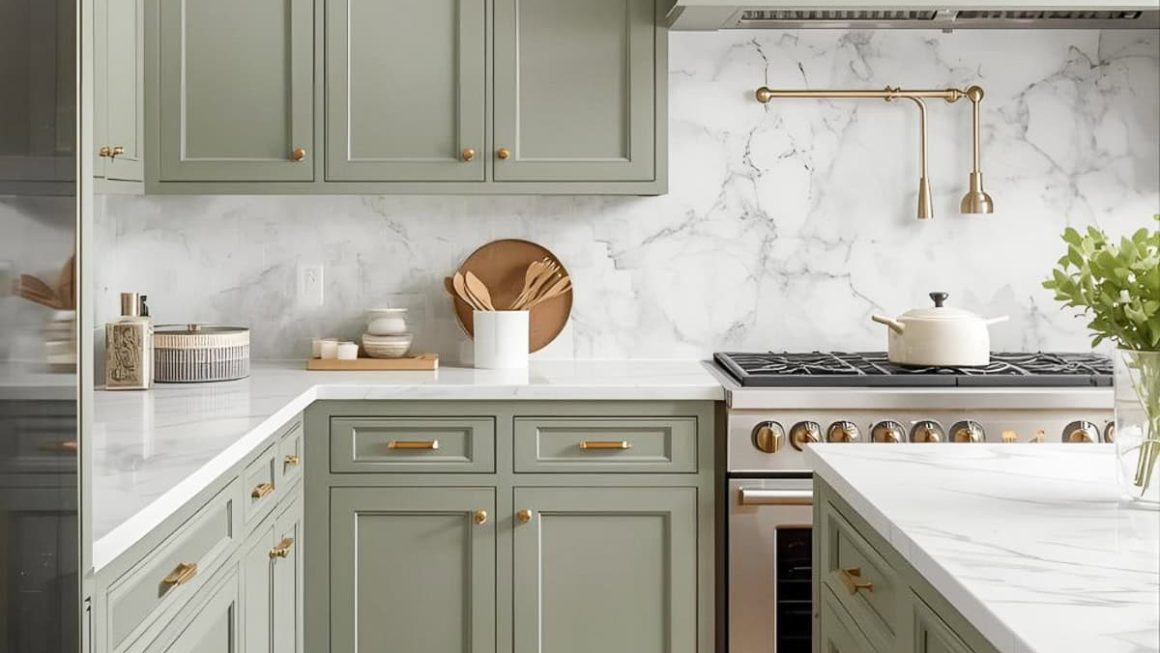
A protected counter or sturdy utility table works well. Decorative baskets and cabinetry can connect the station visually with broader home styling concepts while keeping the actual working surface clear and moisture resistant.
Protect the Floor Around the Station
Leaves and clipped stems rarely stay on the table. A smooth, easy-to-sweep floor makes cleanup far easier than a thick rug positioned directly beneath the workspace.
Place a small waste container nearby so unwanted foliage can be discarded immediately.
Store Vases by Shape Instead of Color
Vase collections become awkward because the pieces vary dramatically in height and width. Grouping them by physical shape often works better than organizing them purely by appearance.
Tall cylinders can share one shelf, short wide containers another, and fragile specialty pieces can sit farther from the edge. Open displays can also contribute to the room’s visual character, much like curated objects used in welcoming porch decorating spaces.
| Station Component | Practical Choice | Benefit |
|---|---|---|
| Worktop | Washable surface | Faster cleanup |
| Vase shelf | Group by size | Easier selection |
| Tool drawer | Shallow organizer | Prevents clutter |
| Waste bin | Beside work area | Contains trimmings |
Create a Small Tool and Supply Drawer
Flower scissors, pruning shears, floral tape, wire, ties, and small cleaning cloths do not require much room. They do need a consistent location.
A divided drawer keeps sharp tools separate from softer supplies. Planning that compact storage carefully follows the same logic used in larger organized property spaces: items should live where the related task actually happens.
Make Water Handling Part of the Design
A nearby sink is ideal, yet a station can still work without one. Keep a stable pitcher or watering container available and avoid carrying completely full vases farther than necessary.
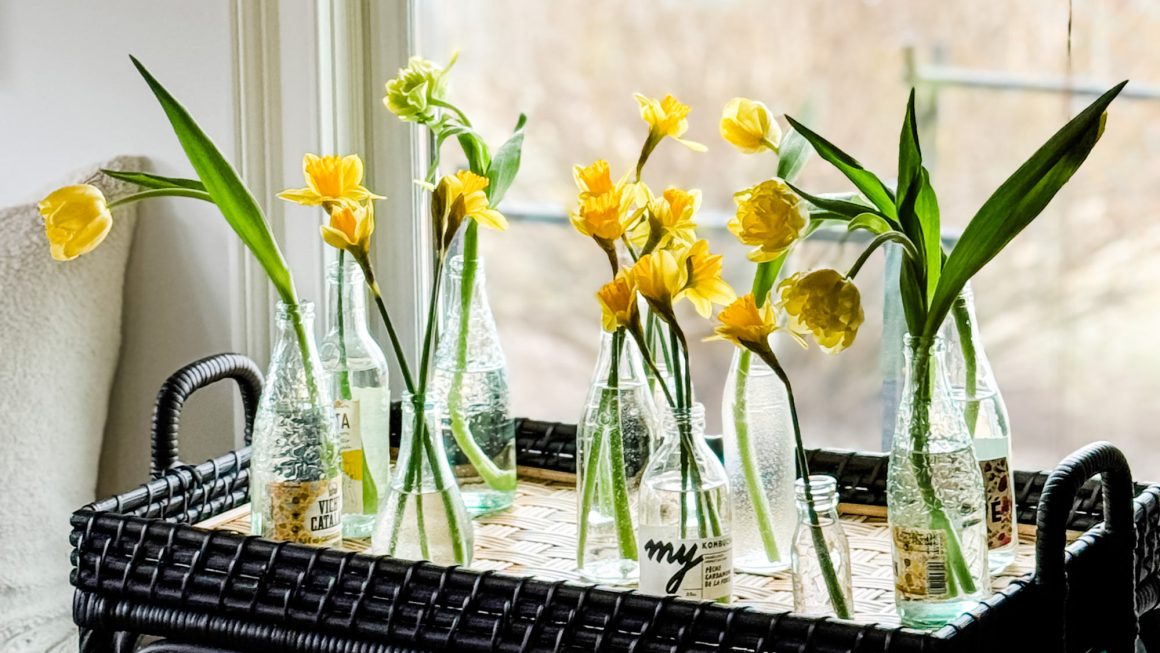
A waterproof tray is useful beneath containers that are being prepared. It catches drips, loose leaves, and small pieces of plant material before they spread across the worktop.
Mistakes That Make Flower Stations Harder to Use
The biggest mistake is filling the station with decorations until there is barely enough space left to arrange flowers. A workstation should still function when several bunches arrive at once.
Poor vase access creates similar frustration. If every container is nested deeply inside another, choosing one may require unloading an entire shelf. Leave enough space to remove commonly used pieces individually.
Frequently Asked Questions
How much space does a flower arranging station need?
A compact counter can work for small household arrangements. Larger bouquets become easier to handle when there is enough clear surface for stems, tools, and a vase simultaneously.
What is the best way to store empty vases?
Stable shelves with enough height clearance are practical. Grouping vases by approximate shape or size makes suitable containers easier to find.
Where should floral tools be kept?
A shallow drawer, wall rail, or small portable caddy near the arranging surface keeps frequently used tools accessible without covering the worktop.
Make Cleanup Part of the Workflow
A flower arranging station works best when cleanup is designed into the space instead of treated as the final chore. Keep a waste bin, cloth, water container, and tool storage within arm’s reach.
Protect the surface first, organize vases second, and leave enough empty room to actually work. That simple order turns flower arranging from a temporary kitchen takeover into a repeatable home routine.