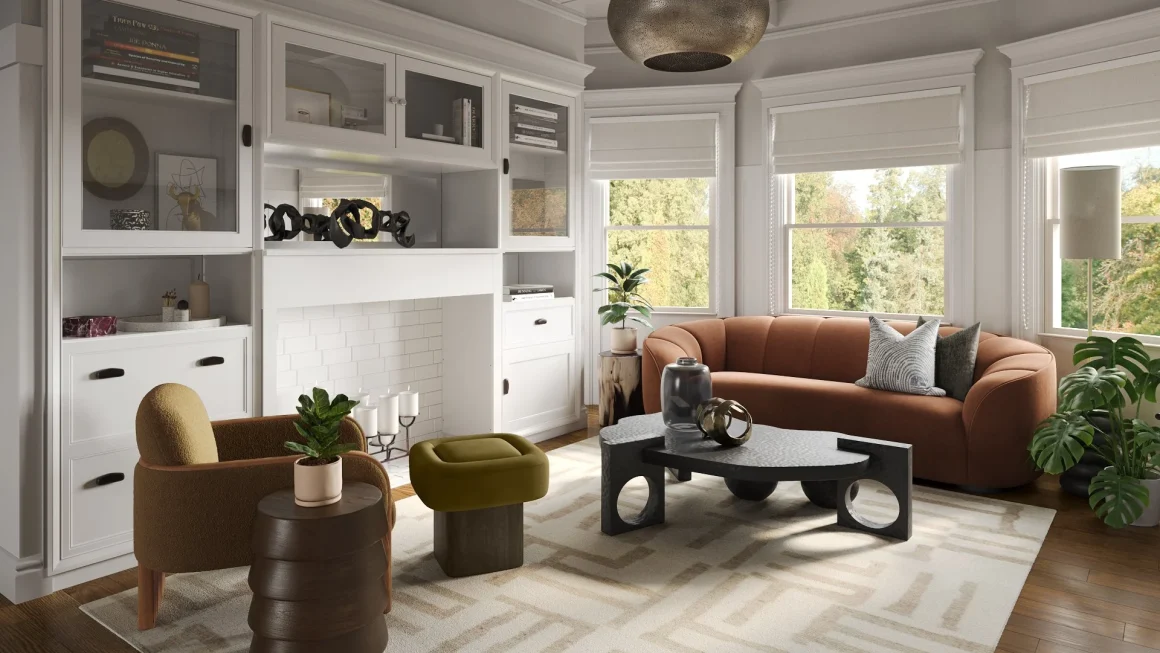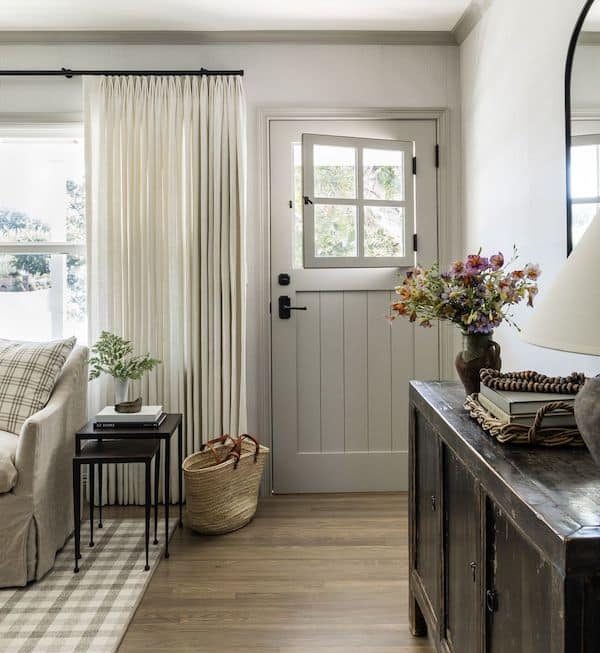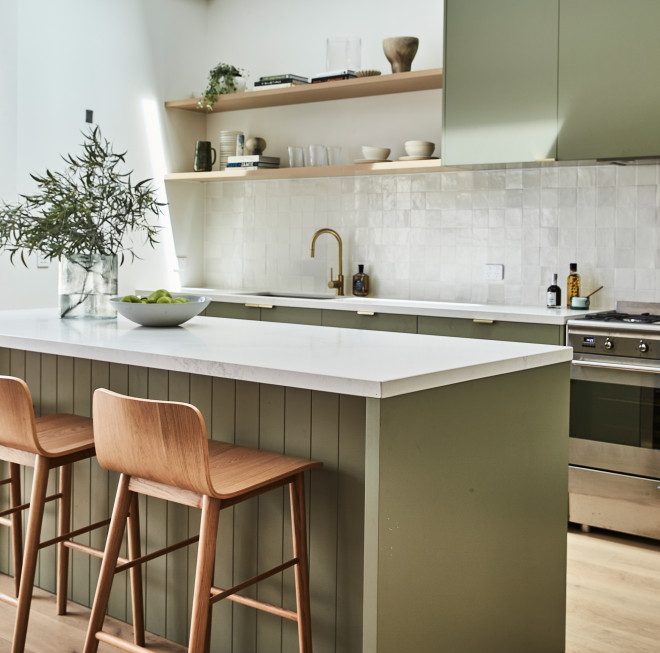

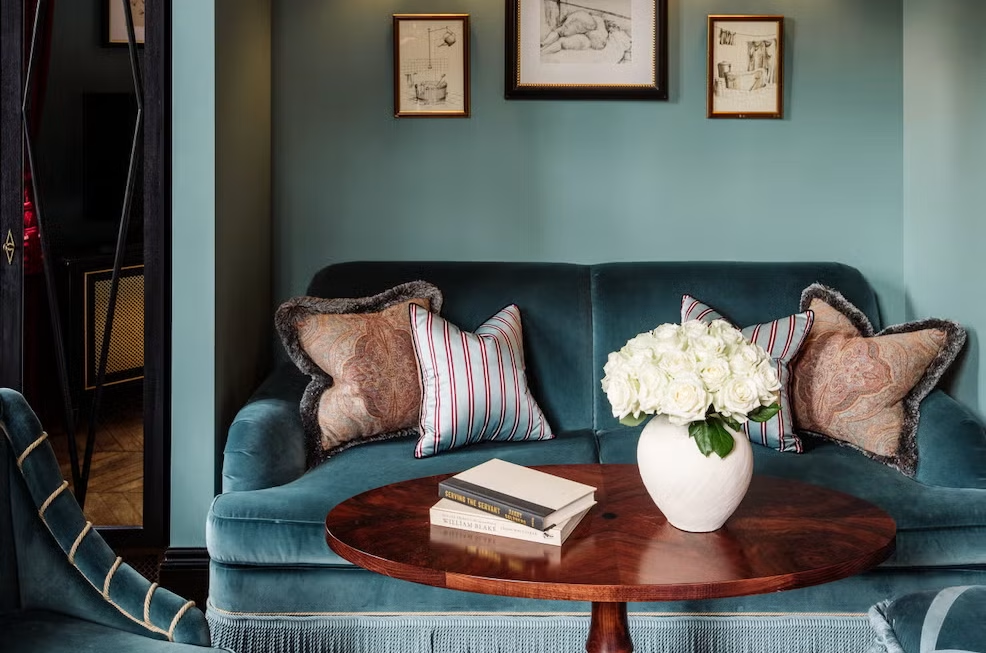
Home design is often presented as a shopping exercise. A room feels unfinished, so the immediate response is to look for a new sofa, another lamp, decorative storage, or the latest trending accessory. Yet a comfortable and attractive home does not necessarily begin with buying more. In many cases, the better starting point is understanding what you already own and designing the space around it.
This approach encourages creativity, reduces unnecessary spending, and can result in rooms that feel more personal. Instead of trying to recreate a showroom, you create a home that reflects your habits, belongings, memories, and actual needs.
Start With an Inventory, Not a Shopping List
Before thinking about what a room is missing, look carefully at what is already available. Furniture, artwork, books, baskets, lamps, textiles, and even overlooked items stored in cupboards may have potential elsewhere in the home.
The goal is not simply to keep everything. It is to identify which possessions are genuinely useful, meaningful, or visually appealing. A chair sitting unused in a bedroom might become a reading chair in the living room. A forgotten side table could work perfectly beside a bed.
This way of thinking is similar to planning in other areas of life. People often consult resources such as pinksahelimetrocard.com when looking for practical information before making decisions. At home, taking stock before acting can be equally useful.
Let Your Existing Furniture Establish the Layout
People sometimes choose an ideal room layout first and then purchase furniture to make it happen. Reversing that process can produce surprisingly good results.
Begin with your largest existing pieces. Consider the sofa, dining table, bed, bookcase, or desk and determine where each item functions best. Pay attention to natural light, doorways, walking paths, electrical outlets, and how people actually move through the room.
Once those major pieces are positioned, smaller belongings can fill the gaps naturally. This makes the design process less about achieving a predetermined image and more about finding the strongest arrangement for the home you already have.
Rediscover Items in Different Rooms
One of the easiest ways to refresh a home without shopping is to move objects between rooms. Familiar belongings can feel completely different when placed in a new setting.
A small cabinet originally intended for a hallway could provide additional bathroom storage. A bedroom lamp may look better on a living room console. Framed prints can be regrouped to create a gallery wall rather than remaining scattered throughout the house.
Lifestyle resources such as SydHub Australia can inspire broader thinking about how people adapt their surroundings to everyday needs. Inspiration does not always need to lead to purchasing. Sometimes it simply helps you see existing possessions differently.
Design Around Real Habits
A beautiful room that constantly works against your routine will eventually become frustrating. Good home design should make ordinary activities easier.
Think about where shoes naturally get removed, where mail tends to accumulate, where family members charge devices, and where bags are dropped after coming home. Instead of fighting these habits, create practical solutions around them.
If everyone leaves shoes near one particular entrance, that is probably where shoe storage belongs. If you always read beside a particular window, moving a comfortable chair and lamp there makes more sense than creating a decorative seating area somewhere you rarely sit.
An Australian blog focused on lifestyle or interiors may show beautifully styled spaces, but the most successful ideas are usually those that can be adapted to the realities of your own household.
Give Meaningful Objects More Space
Many homes contain personal objects that are hidden away while newly purchased decorations occupy the most visible surfaces. Designing around what you own provides an opportunity to reverse that pattern.
Travel souvenirs, inherited objects, family photographs, handmade ceramics, old books, and children’s artwork can bring personality into a room. They tell a story that mass produced decorative pieces cannot replicate.
The key is editing rather than displaying everything simultaneously. Choose a smaller number of meaningful pieces and give them enough visual space to stand out.
Work With Imperfections
Existing furniture may not match perfectly, and that can actually make a room more interesting. Different wood finishes, furniture periods, textures, and shapes can coexist when there is some visual connection between them.
A consistent textile, repeated material, similar frame style, or recurring shape can bring unrelated pieces together. Rather than replacing an older item because it does not perfectly match something newer, consider whether repositioning or restyling it could solve the problem.
Readers browsing an Australian blog for home inspiration may encounter highly coordinated interiors, but real homes naturally evolve over years. Allowing that evolution to remain visible often creates warmth and character.
Buy Only After You Understand the Gap
Designing around existing possessions does not mean never purchasing anything new. It simply changes when purchasing happens.
Live with the rearranged space for a while. You may discover that something you thought you needed is unnecessary. Alternatively, a genuine gap may become obvious, such as inadequate lighting, insufficient seating, or missing storage.
At that point, a new purchase has a clear purpose. You know exactly what dimensions, function, and style the item needs because the rest of the room has already been established.
A Home That Feels Like Yours
Homes become personal gradually. They collect objects, routines, memories, and practical adaptations over time. Constantly replacing belongings to follow changing design trends can remove some of that individuality.
Starting with what you already own encourages a different relationship with your space. You rearrange before replacing, repurpose before discarding, and identify genuine needs before shopping.
The result may not resemble a perfectly coordinated showroom. Instead, it can become something more valuable: a comfortable, functional home shaped around the people who actually live there.