

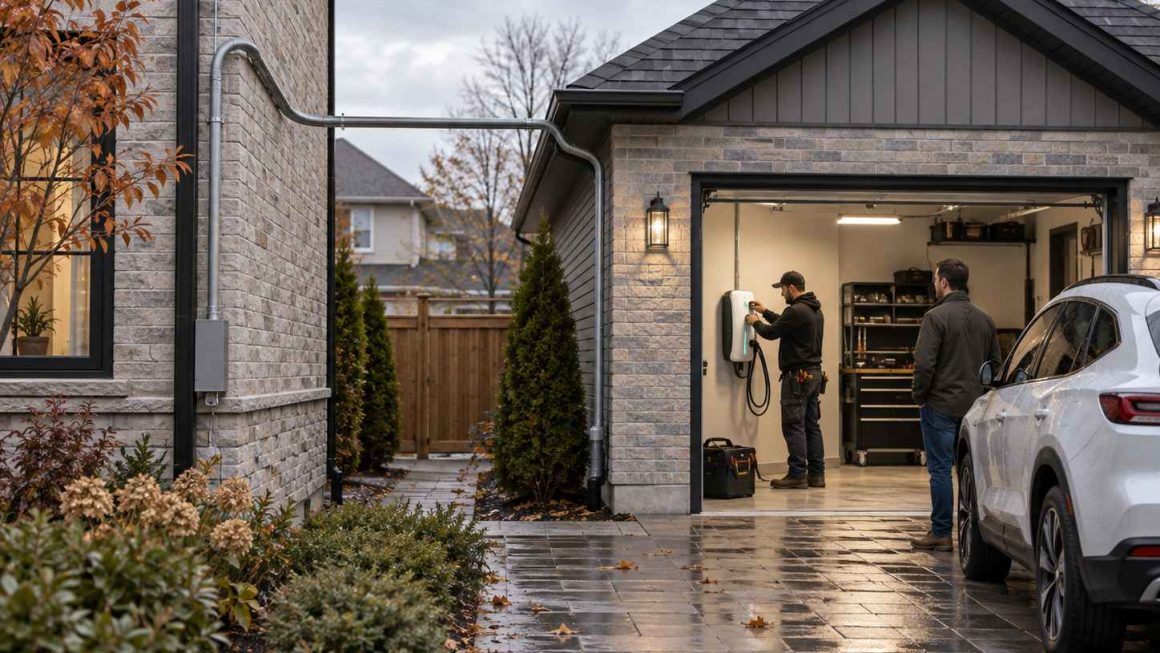
Older Toronto homes can have a lot of character, but their electrical systems were often designed for a very different lifestyle.
A house built decades ago may have been expected to power a refrigerator, a few lights, a television and some small appliances. Today, the same home may need to support computers, multiple televisions, air conditioning, electric dryers, induction cooking, heat pumps, EV chargers and dozens of devices charging at once.
For homeowners renovating or updating an older property, XBOCT (XB) Electric Inc provides residential electrical services throughout Toronto and the Greater Toronto Area.
Not every older home needs a complete electrical overhaul. The right upgrades depend on the condition of the existing system, the equipment already installed and how you plan to use the property in the future.
Here are some of the most important electrical upgrades worth considering in an older Toronto home.
1. Have the Electrical Panel Assessed
The electrical panel is a good place to start.
Older homes may still have aging breaker panels, limited breaker space or fuse panels.
A panel that worked well for decades may become limiting when new equipment is added.
Common reasons to evaluate the panel include:
- Breakers tripping frequently
- No available breaker spaces
- Adding an EV charger
- Installing a heat pump
- Renovating a kitchen
- Finishing a basement
- Adding a hot tub
- Installing new high-demand appliances
A panel does not automatically need to be replaced simply because it is old.
Its condition, capacity and suitability for the home’s current electrical needs all matter.
An electrician can assess whether the existing panel is still appropriate or whether replacement should be considered.
2. Check Whether the Home Has Enough Service Capacity
Panel condition and service capacity are not the same thing.
A home may have a relatively modern electrical panel but still have a 100-amp electrical service.
For many households, 100 amps may still be sufficient.
For others, especially homes becoming more heavily electrified, it may become restrictive.
Electrical demand can increase significantly when homeowners add equipment such as:
- Level 2 EV chargers
- Heat pumps
- Electric water heaters
- Induction ranges
- Electric dryers
- Central air conditioning
- Hot tubs
The right question is not simply, “Is 200 amps better?”
The better question is whether the existing service can safely support the home’s current and planned electrical loads.
That should be determined through an electrical assessment rather than guesswork.
3. Add More Circuits Where the Home Needs Them
Older homes often have fewer circuits than modern households require.
A bedroom that once powered one lamp may now contain computers, monitors, chargers, a television, gaming equipment and other electronics.
Kitchens have changed even more dramatically.
Modern kitchens may include:
- Microwaves
- Coffee machines
- Kettles
- Toasters
- Air fryers
- Dishwashers
- Refrigerators
- Countertop appliances
When too many devices share one circuit, breakers may trip because the circuit is overloaded.
Instead of relying on extension cords or constantly moving appliances around, additional circuits may provide a better long-term solution.
A renovation is an ideal time to evaluate whether the circuit layout still matches how the rooms are actually used.
4. Add Receptacles Where Extension Cords Have Become Permanent
Extension cords are useful for temporary situations.
They should not become permanent substitutes for proper electrical outlets.
Older homes often have fewer receptacles because people simply used fewer electrical devices when the house was built.
Today, homeowners may end up with extension cords running behind furniture, across rooms or underneath rugs.
That can create inconvenience and increase the chance of damaged cords or overloaded power bars.
Adding properly located receptacles can make the home easier and safer to use.
Good locations may include:
- Home offices
- Bedrooms
- Entertainment areas
- Kitchens
- Finished basements
- Garages
- Outdoor areas
The best time to add outlets is often during a renovation, when walls may already be open.
5. Upgrade Kitchen Electrical Capacity
The kitchen is one of the most electrically demanding areas of a modern home.
Older Toronto kitchens may have been designed around far fewer appliances.
Renovating the kitchen is a good opportunity to review the electrical system.
New kitchen equipment may require dedicated circuits.
This can include:
- Dishwashers
- Microwaves
- Electric ranges
- Wall ovens
- Induction cooktops
- Refrigerators
- Other built-in appliances
Countertop circuits also need to support multiple portable appliances.
If you are changing from gas cooking to electric or induction, that can significantly change the electrical load.
Electrical planning should happen before cabinetry and finishes are finalized.
Discovering later that a new appliance requires additional electrical work can make the renovation more complicated.
6. Plan for EV Charging Before Buying the Charger
Electric vehicle ownership is becoming more common, and many Toronto homeowners want to charge at home.
A Level 2 charger can add a significant electrical load.
Before buying the charger, have the home’s electrical system assessed.
The electrician should consider:
- Service size
- Panel capacity
- Breaker space
- Charger output
- Parking location
- Wiring route
Not every home needs a 200-amp service just because an EV charger is being added.
Some properties may already have sufficient capacity.
Others may benefit from load-management equipment.
In some cases, a service upgrade may be the better long-term solution.
Planning the electrical side first helps avoid buying equipment that does not fit the home’s existing system.
7. Consider Future Heat Pump Installation
More homeowners are considering heat pumps for heating and cooling.
That can change the electrical load of the property.
If you are renovating an older home and expect to install a heat pump in the future, it makes sense to include that possibility in your electrical planning.
The exact electrical requirements depend on the equipment.
Some systems may also use electric backup heating, which can increase demand significantly.
If you are already planning an EV charger, induction range and other electrical upgrades, it is useful to look at everything together.
This can help avoid making one upgrade today and discovering later that the electrical service needs to be modified again.
8. Improve Garage Electrical Infrastructure
Garages often become much more electrically demanding over time.
An older garage may have originally needed only one light and one receptacle.
Today, homeowners may want to use the garage for:
- EV charging
- Power tools
- Freezers
- Workshop equipment
- Battery chargers
- Garage door openers
- Exterior lighting
If the garage is being renovated, check whether the existing circuits are appropriate for these uses.
Detached garages may require additional planning because the electrical supply has to travel between buildings.
It is easier to account for future garage needs while other electrical work is already happening.
9. Add Outdoor Electrical Capacity
Outdoor electrical needs have also changed.
Homeowners may want power for:
- Landscape lighting
- Patio equipment
- Outdoor kitchens
- Seasonal decorations
- Security cameras
- Power tools
- Sheds
- EV charging
Older properties may have very limited outdoor electrical infrastructure.
Adding outdoor receptacles or circuits can be useful, but the equipment and installation must be suitable for exterior conditions.
Outdoor electrical work has to account for moisture, weather and physical exposure.
Planning the locations carefully can make outdoor areas much more practical.
10. Improve Lighting and Switch Locations
Lighting upgrades are another common improvement in older homes.
You may want to replace outdated fixtures, add recessed lighting or improve illumination in dark areas.
Switch locations can also be reconsidered.
Older homes sometimes have lighting controls that no longer make sense after renovations or changes in room layout.
A renovation may be a good opportunity to add:
- Better kitchen lighting
- Stairway lighting
- Basement lighting
- Exterior lighting
- Closet lighting
- Additional switching locations
Modern lighting can improve both function and comfort without necessarily adding a large electrical load.
11. Consider Dedicated Circuits for Home Offices
Working from home has changed the way many Toronto households use electricity.
A room that was once a spare bedroom may now operate as a full-time office.
Equipment can include:
- Desktop computers
- Multiple monitors
- Printers
- Network equipment
- Speakers
- Chargers
- Additional lighting
In some homes, this equipment shares a circuit with several other rooms.
If breakers trip or the office is heavily used, additional electrical capacity may be worth considering.
A dedicated or better-planned circuit arrangement can make the workspace more reliable.
12. Review Electrical Work From Previous Renovations
Older homes often have long renovation histories.
One owner may have renovated the kitchen.
Another may have finished the basement.
Someone else may have added a garage circuit years later.
Electrical work completed at different times can result in a system that is difficult to understand.
When undertaking a major renovation, it can be useful to review previous electrical additions.
This is especially important when you find:
- Unexplained wiring
- Abandoned cables
- Crowded electrical boxes
- Circuits serving unexpected areas
- Breakers with unclear labels
A clearer electrical layout makes future maintenance much easier.
13. Improve Panel Labelling
This is a simple improvement, but it can save a lot of time.
Electrical panels in older homes often have incomplete or inaccurate labels.
A breaker may be marked “bedroom” even though it also controls hallway lights and basement outlets.
Properly identifying circuits can make troubleshooting and future electrical work much easier.
During electrical renovations, ask whether the circuit directory can be updated.
Knowing exactly what each breaker controls is useful whenever power needs to be shut off.
14. Think About Future Electrical Loads Now
One of the biggest mistakes homeowners make is planning electrical upgrades one project at a time.
You may be renovating the kitchen today.
Next year, you may buy an EV.
Two years later, you may install a heat pump.
If these projects are likely, mention them during the initial electrical assessment.
The electrician can evaluate whether the current service and panel are likely to support those future loads.
That does not mean everything needs to be installed immediately.
It simply allows the electrical system to be planned with future needs in mind.
Renovation Is the Best Time to Plan Ahead
Electrical work can become more difficult after walls, ceilings and finishes are complete.
If you already have a renovation underway, take advantage of the opportunity.
Think about where you may eventually need:
- Additional outlets
- EV charging
- Dedicated appliance circuits
- Outdoor power
- Garage equipment
- Heat pump capacity
- Home-office circuits
Planning these needs early can reduce the amount of finished material that needs to be disturbed later.
The Bottom Line
Older Toronto homes were not designed around today’s electrical lifestyle.
That does not mean every older property needs a complete electrical replacement.
The best approach is to assess the existing system and prioritize upgrades based on how the home is actually used.
For some properties, the most important improvement may be adding circuits.
For others, it may be replacing an aging panel.
Homes planning EV charging, heat pumps or major renovations may need to think about overall service capacity.
The key is to plan the electrical system around both current needs and realistic future upgrades.
A properly planned electrical renovation can make an older Toronto home much better suited to modern living without making unnecessary changes.
XBOCT (XB) Electric Inc, (647) 401-7444, 24/7 Licensed Electrical Contractor serving the GTA.