
A home air filter can capture airborne particles as heating or cooling equipment circulates air through the system. The right filter may help reduce dust, pollen, pet debris, and other particles, but filtration is only one part of indoor air quality.
Performance depends on filter compatibility, proper installation, replacement timing, and the amount of air actually passing through the filter.
Choose a Filter Your HVAC System Can Handle
Higher filtration is not automatically the right choice for every furnace or air handler. A filter that creates excessive resistance can reduce system airflow if the equipment was not designed for it.
Before changing filter type, check the equipment manufacturer’s guidance or ask a qualified HVAC professional. Homeowners reviewing general room improvement ideas should treat HVAC filtration as a mechanical decision rather than choosing a filter solely because the packaging makes stronger claims.
Correct dimensions are equally important because air can bypass a poorly fitting filter.
Install the Filter in the Correct Direction
Many disposable HVAC filters include an airflow arrow on the frame. The arrow should point in the direction air moves toward the blower or air-handling equipment.
A backward filter may not sit or perform as intended. Household interior layout inspiration can help with visible room changes, but filters hidden behind return grilles or equipment panels still deserve routine attention.
| Filter Issue | Possible Effect | Better Habit |
|---|---|---|
| Wrong size | Air bypass | Match filter dimensions |
| Heavy buildup | Reduced airflow | Inspect regularly |
| Incorrect direction | Improper installation | Follow airflow arrow |
| Excessive restriction | System airflow problems | Check HVAC compatibility |
Replace Filters Based on Actual Conditions
There is no single replacement interval that fits every home. Filter loading varies with pets, outdoor dust, renovation work, occupancy, system runtime, and the filter itself.
Check the filter periodically rather than relying only on a calendar. People making broader indoor comfort updates may focus on furnishings and surfaces, yet a neglected return filter can influence both cleanliness and HVAC operation behind the scenes.
A visibly loaded filter or reduced airflow may signal that attention is needed sooner than expected.
Combine Filtration With Source Control
Filters only capture particles that reach them. Dust sitting on surfaces, smoke produced indoors, excess humidity, strong chemical emissions, and pollutants entering from outdoors may require additional source-control or ventilation measures.
Regular cleaning can reduce the amount of loose material available to become airborne. Exhaust fans can help remove moisture and pollutants produced in bathrooms and kitchens.
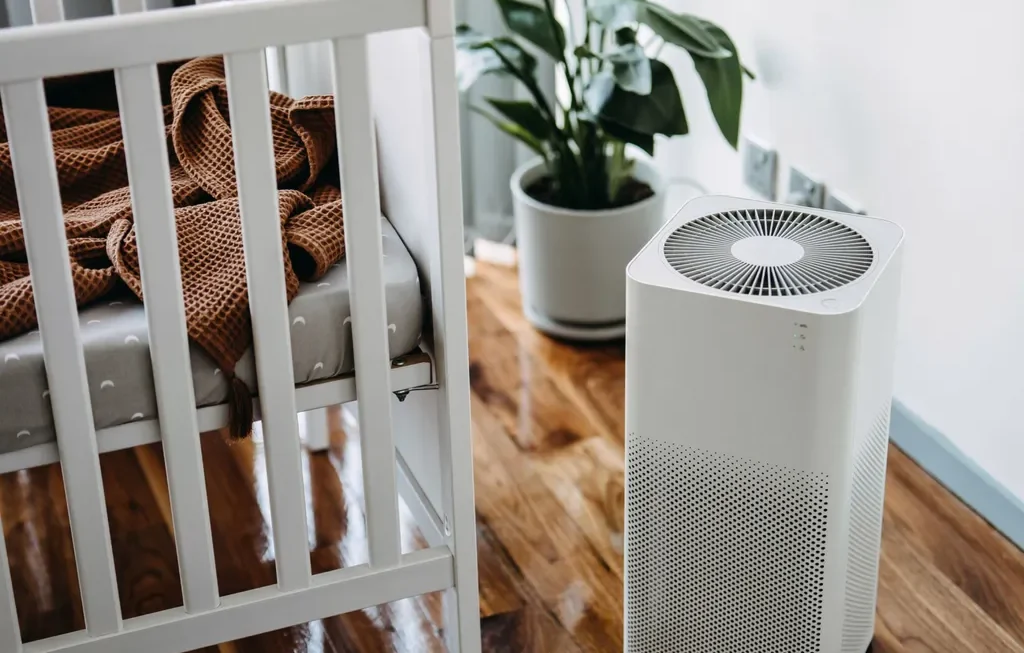
Portable air cleaners may also be useful in individual rooms, but their suitability depends on room size, placement, and the type of pollutant being addressed.
Where Air Filter Expectations Go Wrong
One common mistake is assuming the most restrictive filter available must produce the healthiest home. HVAC equipment still needs adequate airflow, and filter selection should account for system capability.
Another misconception is that a clean-looking filter means the air is clean everywhere. Some pollutants are gases or extremely small particles that standard filters may not effectively address.
Filtration should therefore support, rather than replace, sensible ventilation, cleaning, moisture management, and pollutant source reduction.
Frequently Asked Questions
Does a more expensive air filter always clean better?
Not necessarily for a particular HVAC system. Filter construction, particle-capture performance, resistance to airflow, equipment compatibility, and operating conditions all matter. Price alone does not show whether a filter is appropriate.
Why does my home air filter get dirty quickly?
Fast loading can result from pets, dusty outdoor conditions, renovations, frequent HVAC operation, open windows, heavy household activity, or accumulated indoor dust. It may also indicate that the filter is capturing material effectively.
Can an HVAC filter remove household odors?
Standard particle filters mainly target airborne particles rather than every odor-producing gas. Some specialized filtration products address certain odors, but source removal and ventilation are often important when smells persist.
Use Filtration as One Part of Cleaner Air
A useful home air filter fits correctly, matches the HVAC system, faces the proper direction, and is checked often enough to prevent heavy loading. Pair filtration with cleaning, ventilation, and control of moisture or pollutant sources. That combination is more dependable than expecting one filter to solve every indoor air concern.