
The real estate industry is undergoing rapid transformation, and spec homes are at the center of this evolution. As housing demand increases, construction technology improves, and buyer preferences shift toward convenience, the future of spec homes looks increasingly strong. Developers, investors, and buyers are all paying close attention to how this market will evolve in the coming years.
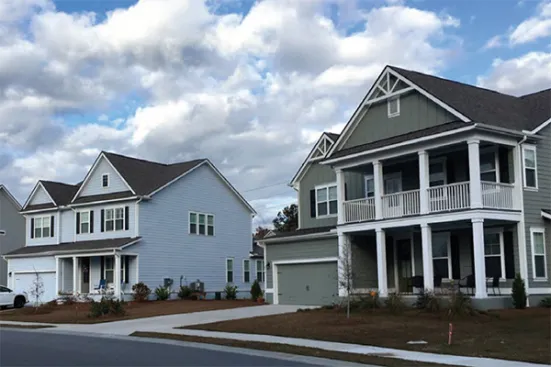
Spec homes are residential properties built by developers without a specific buyer in advance. Instead of relying on custom orders, developers construct homes based on market research, demand patterns, and modern lifestyle trends. This approach allows faster delivery and more efficient use of construction resources.
A key driver behind this growth is improved spec home construction, which enables developers to complete projects faster while maintaining consistent quality and cost control.
Growing Demand Driving Market Expansion
One of the strongest forces shaping the future of spec homes is rising housing demand across both urban and suburban areas. Population growth, migration to cities, and lifestyle changes are creating continuous pressure on housing supply.
Buyers increasingly prefer move-in-ready homes because they eliminate long waiting periods and reduce the complexity of construction decisions. As a result, spec homes are becoming the preferred option for first-time buyers, families, and even investors.
This growing demand is expected to continue, especially in regions where housing shortages remain a major issue.
Technology Transforming Spec Home Construction
The future of spec homes is closely tied to innovation in spec home construction. Developers are now adopting advanced building technologies to increase efficiency and reduce costs.
Some of the key technological trends include:
- Modular and prefabricated construction systems
- AI-driven design and demand forecasting
- Smart home integration during construction
- Automated project management tools
These innovations allow builders to complete spec homes faster while improving design consistency and reducing waste. Over time, this will significantly increase the number of homes delivered to the market.
Sustainability and Eco-Friendly Housing Trends
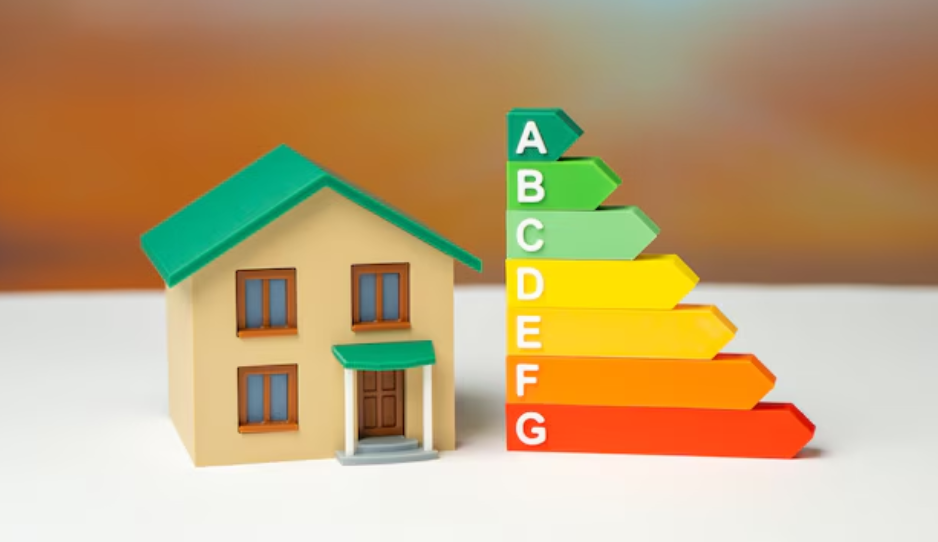
Environmental concerns are becoming more important in real estate development, and spec homes are adapting to this shift. Future housing projects are expected to focus heavily on sustainability and energy efficiency.
Developers are increasingly incorporating:
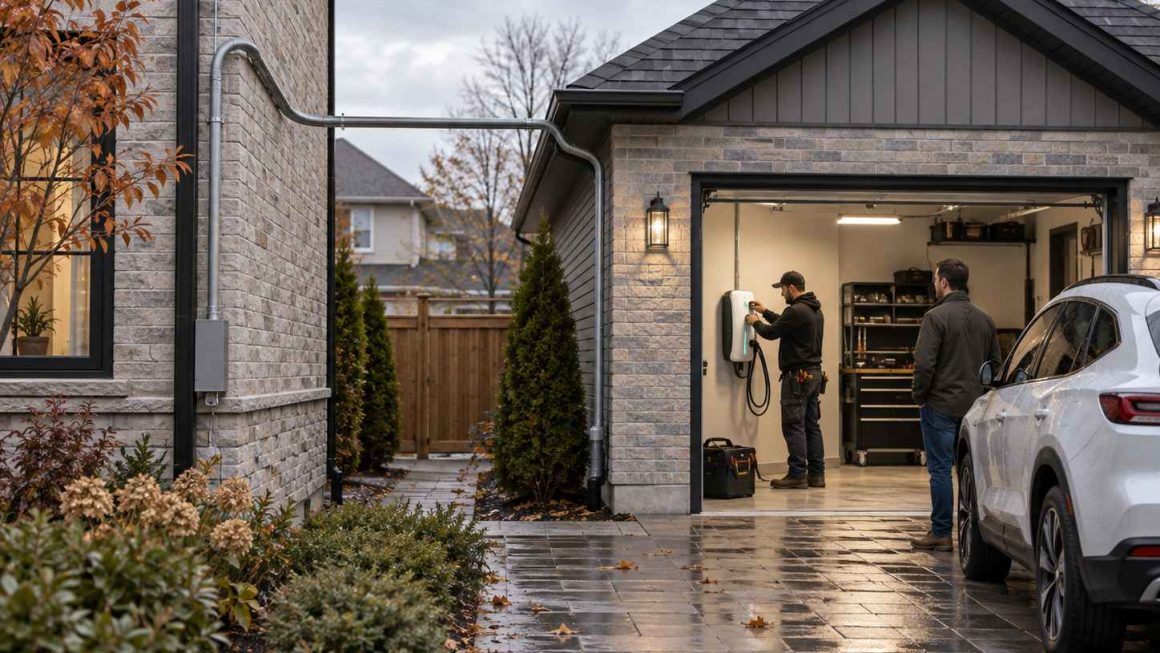
- Solar energy systems
- Energy-efficient insulation and materials
- Water-saving technologies
- Environmentally friendly building practices
These improvements not only reduce environmental impact but also lower long-term costs for homeowners, making spec homes more attractive to modern buyers.
Urbanization and Suburban Growth
Urban expansion and suburban development are both expected to play a major role in the future of spec homes. Cities continue to attract large populations due to job opportunities, while suburban areas offer affordability and space.
In urban regions, spec homes help address housing shortages by providing faster inventory turnover. In suburban areas, they support large-scale community development projects that include schools, roads, and recreational facilities.
This dual demand ensures long-term growth for the spec home market.
Changing Buyer Preferences
Modern buyers are reshaping the real estate market. Instead of spending months or years designing custom homes, many now prefer ready-made solutions that offer speed and convenience.
Key buyer trends include:
- Preference for move-in-ready homes
- Demand for modern layouts and smart features
- Interest in energy-efficient living
- Desire for simplified purchasing processes
These preferences align perfectly with spec homes, making them increasingly relevant in future housing markets.
Investment Growth in Spec Homes
Investors are also showing growing interest in spec homes due to their strong rental and resale potential. As demand increases in urban and suburban areas, these properties are expected to deliver stable returns.
Investors benefit from:
- Faster rental income generation
- Lower vacancy rates in high-demand areas
- Long-term property appreciation
- Reduced construction risk compared to custom builds
This makes spec homes an important asset class in modern real estate investment strategies.
Financing and Market Development Support
Large-scale development of spec homes requires significant financial backing. Developers depend on structured funding solutions to maintain continuous construction and meet growing demand.
Companies like builderfinance.com support developers involved in spec home construction by providing financial solutions that help accelerate project timelines. In many cases, spec homes developments are supported through builder loans, which ensure consistent funding for land acquisition, construction, and project completion.
This financial support plays a crucial role in expanding housing supply and maintaining market stability.
Future Market Forecast
The future outlook for spec homes is highly positive. As construction technology improves and demand continues to grow, the market is expected to expand significantly over the next decade.
Key forecast trends include:
- Increased adoption of modular housing systems
- Faster construction timelines across all regions
- Higher integration of smart home technology
- Greater focus on affordability and sustainability
These trends indicate that spec homes will remain a dominant force in residential development.
Conclusion
The market for spec homes is set for strong growth driven by rising demand, technological innovation, and changing buyer preferences. As developers adopt more efficient construction methods and sustainable practices, the industry will continue to expand.
With ongoing improvements in spec home construction, the ability to deliver high-quality homes faster will only increase. Supported by financial solutions from builderfinance.com, including access to builder loans, the future of spec homes looks promising, stable, and highly influential in shaping the real estate landscape.