
Enhancing a home begins with clarity. Without a defined vision, improvements can become scattered and ineffective. A well-considered plan allows each decision to contribute to a cohesive environment.
Whether the goal is comfort, functionality, or increased value, every enhancement should align with how the space is actually used. Thoughtful planning prevents unnecessary expense and ensures that changes remain practical rather than purely aesthetic.
Optimising Layout and Functionality
A home should work efficiently before it looks impressive. Rearranging furniture, improving storage, and refining how rooms are used can dramatically increase comfort without major structural changes.
Open, accessible layouts often improve both movement and natural light. Small adjustments, such as repositioning lighting fixtures or decluttering key areas, can make spaces feel larger and more usable. Functionality forms the foundation upon which all other enhancements are built.
The Value of Home Renovation
Home renovation offers the opportunity to modernise and refine existing spaces. Rather than expanding outward, renovation focuses on improving what is already there. Updating kitchens, bathrooms, or living areas can transform both the appearance and practicality of a home.
Structural improvements, such as better insulation or upgraded flooring, not only enhance comfort but also contribute to long-term efficiency. Renovation requires careful planning to balance cost, disruption, and outcome, but when executed properly, it significantly elevates the living experience.
Strategic Home Addition Construction
When space becomes limited, home addition construction provides a more substantial solution. Adding a new room, extending a kitchen, or building an additional level can redefine how a home functions. However, such projects demand a disciplined approach.
Structural integrity, planning permissions, and integration with the existing design must all be considered. A poorly executed addition can feel disconnected, while a well-designed one blends seamlessly into the original structure. The key lies in ensuring that the new space enhances flow rather than disrupting it.
Improving Light and Atmosphere
Natural light plays a critical role in how a home feels. Enhancing windows, adding skylights, or using reflective surfaces can significantly improve brightness and mood.
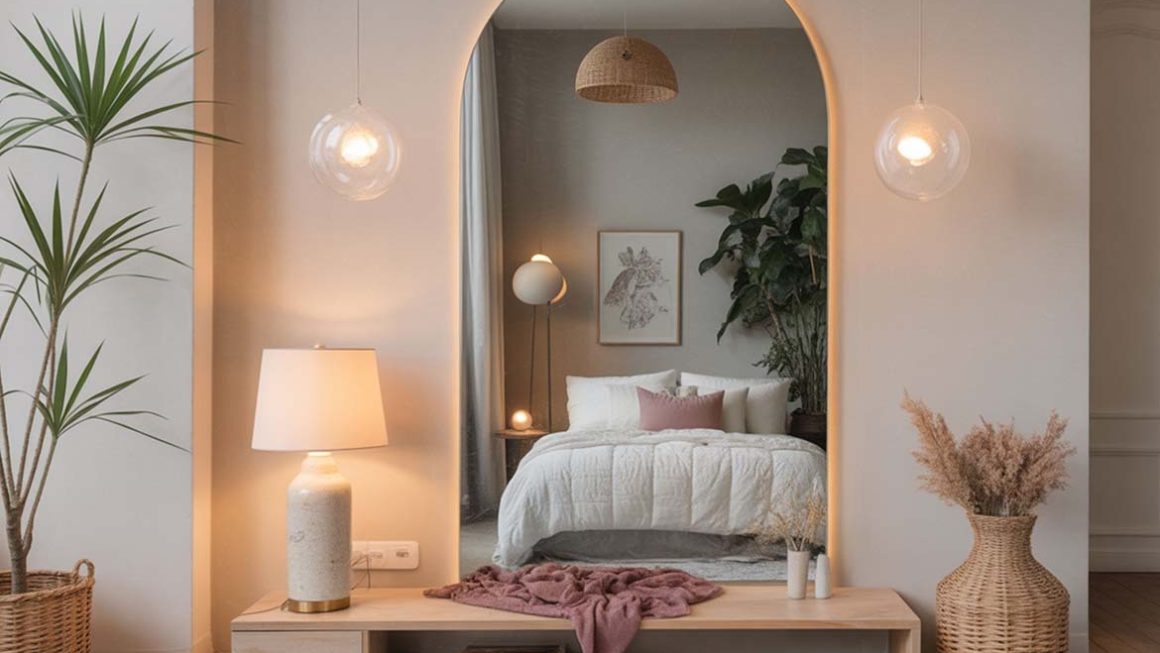
Lighting design should also include layered artificial lighting, combining ambient, task, and accent sources. This creates flexibility, allowing each room to adapt to different times of day and activities. A well-lit home feels more spacious, welcoming, and functional.
Upgrading Materials and Finishes
Materials define the character of a space. Replacing worn surfaces with durable, high-quality finishes not only improves aesthetics but also longevity. Flooring, cabinetry, and wall treatments should be selected with both style and practicality in mind.
Durable materials reduce maintenance demands while maintaining a refined appearance over time. Consistency in finishes across the home creates a sense of cohesion and deliberate design.
Maintaining Structural Integrity
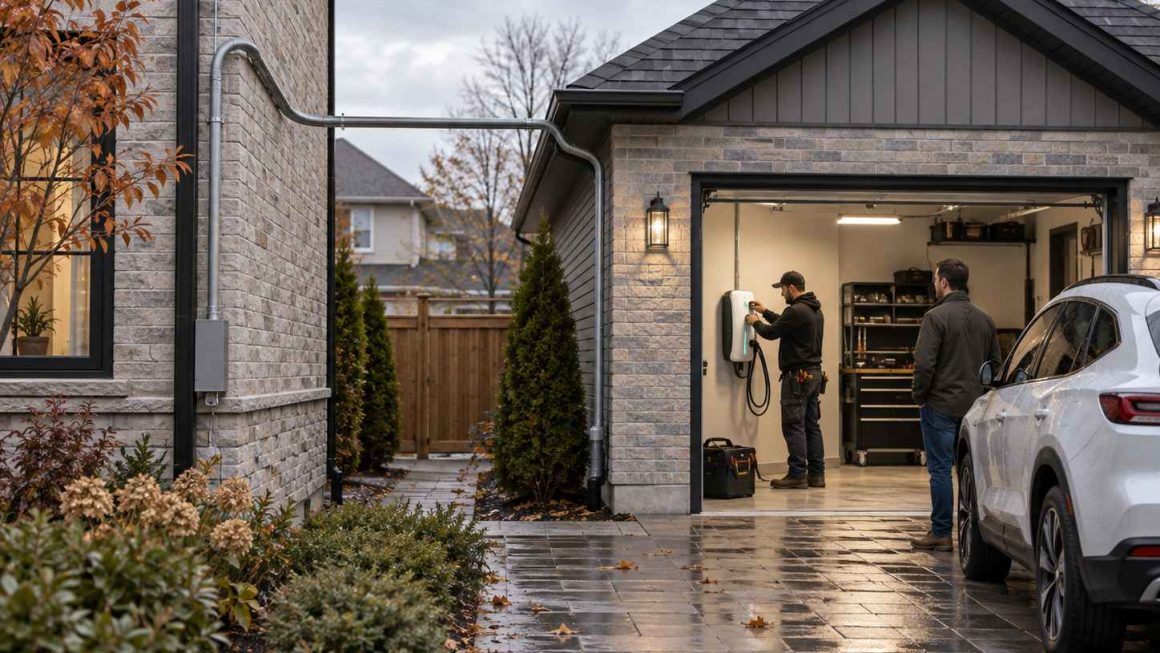
Enhancement is not solely about visible changes. Underlying systems such as plumbing, electrical wiring, and structural supports must be maintained and, when necessary, upgraded. Ignoring these elements can lead to costly issues that undermine any visible improvements.
Regular inspections and timely repairs ensure that the home remains safe, efficient, and capable of supporting further upgrades.
Creating a Sustainable Living Environment
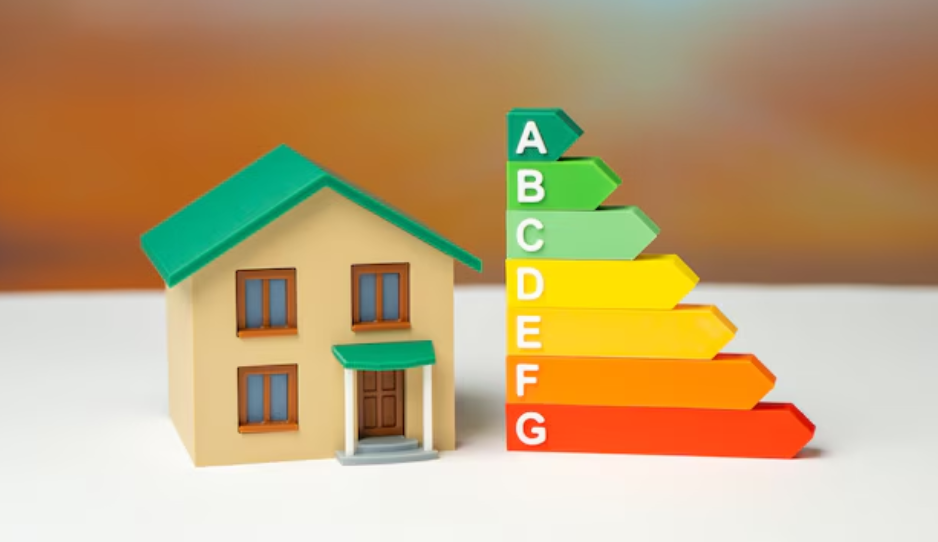
Modern home enhancement increasingly prioritises sustainability. Energy-efficient appliances, improved insulation, and water-saving systems reduce environmental impact while lowering long-term costs.
Incorporating sustainable materials and practices during renovation or construction strengthens the home’s overall value and resilience. A well-enhanced home is not only comfortable but also efficient and adaptable to future demands.